
Introduction
In the diverse world of skincare and grooming, achieving a radiant, even-toned complexion is a universal goal. Between the harsh Indian sun, rising pollution levels, and the natural buildup of dead skin cells, our faces often lose their natural glow. For decades, one of the most popular and instant solutions to revive dull skin and manage unwanted facial hair has been using a high-quality bleach for face.
However, the concept of facial bleaching is often surrounded by myths, fears, and misinformation. Many people confuse it with permanent skin whitening (which it is not) or fear that it will burn their skin. The truth is, when used correctly and professionally, a bleach for face is an incredible cosmetic tool. It painlessly lightens peach fuzz (vellus hair) to match your skin tone, exfoliates dead skin, and provides an instant brightening effect that is highly sought after before weddings, parties, and festive events.
But because it involves active chemicals like hydrogen peroxide, applying bleach for face requires strict adherence to safety protocols. A minor mistake in the activator ratio or leaving it on for too long can lead to redness, irritation, or chemical burns. This comprehensive guide will walk you through the undeniable benefits, the absolute safety rules, and the correct aftercare required for this treatment.
Industry Insight: Chemical skin treatments require a deep understanding of dermatology and skin types. If you are a beautician who has mastered safe bleaching and facial protocols, premium chains like The Salon Company are actively hiring. (Pro Tip: Fast-track your beauty career by finding the highest-paying salon jobs on the Stylelink app).
The Chemistry: How Does It Actually Work?
Before putting any chemical on your skin, you should understand how it works. A standard facial bleach kit comes in two parts: the bleach cream (containing hydrogen peroxide) and the powder activator (containing ammonium bicarbonate).
When these two are mixed, an oxidation process occurs. Once applied to the skin, this mixture penetrates the hair shaft and breaks down the melanin (the pigment that gives hair its dark color). Within 10 to 15 minutes, dark facial hair turns into a translucent, golden hue that blends seamlessly with your skin. Simultaneously, the chemical reaction softens and loosens the top layer of dead skin cells, leading to a deep exfoliation effect.
Top 5 Benefits of Using Bleach for Face
Why do millions of women and men rely on this treatment every month? Here are the proven aesthetic benefits:
1. Painless Hair Management
Threading, waxing, and epilating facial hair can be agonizing, especially on sensitive areas like the upper lip or sideburns. Furthermore, waxing can cause skin sagging over time, and threading often leads to painful ingrown hairs or acne breakouts. A bleach for face offers a 100% painless alternative by hiding the hair in plain sight without pulling it from the root.
2. Instant Tan Removal
Sun exposure causes the skin to overproduce melanin, resulting in a dark, uneven tan. The mild exfoliating properties of the bleach strip away the tanned, dead layer of the Stratum Corneum, instantly revealing your natural, brighter skin tone underneath.
3. Glowing, Even Complexion
Dark facial hair casts tiny shadows on your face, making your overall complexion look duller than it actually is. By turning these hairs blonde, the shadows disappear, making your skin look instantly luminous and even-toned.
4. Reduces the Appearance of Blemishes
While it does not cure acne, the lightening effect of the bleach can help temporarily fade the appearance of minor acne scars, freckles, and light pigmentation spots, giving you a smoother visual canvas.
5. Better Makeup Application
Makeup clings to dark facial hair, making foundations look cakey or “fuzzy” in photographs. After bleaching, the hair becomes soft and translucent, allowing foundation to glide on smoothly and look like a second skin.
The Golden Rules of Safety & Precautions
The primary danger of a bleach for face lies in improper application. To avoid chemical burns, rashes, and exogenous ochronosis (blue-black pigmentation from severe chemical damage), you must follow these rules:
1. The Patch Test is Non-Negotiable
Never apply a new product directly to your face. Mix a tiny amount and apply it behind your ear or on your inner arm. Wait 24 hours. If there is no severe redness, itching, or swelling, it is safe to use.
2. The Activator Ratio
The biggest DIY mistake is using too much powder activator to “speed up” the process. This will burn your skin. The golden ratio is usually 2 scoops of cream to 1-2 pinches of powder (always follow the specific brand’s instructions).
3. Never Mix in a Metal Bowl
Hydrogen peroxide reacts aggressively with metal. Always use a glass or plastic bowl and a plastic spatula to mix your bleach for face. A metal bowl will alter the chemical composition and can cause severe skin reactions.
4. The “Retinol & AHA” Warning
If you use active skincare ingredients like Retinol, Glycolic Acid, or Salicylic Acid, your skin barrier is thin and sensitive. You must stop using these actives at least 3 to 4 days before bleaching. Applying bleach over retinol-treated skin is a guaranteed recipe for a chemical burn.
5. Avoid Sensitive Zones
Never apply bleach near the eyes, on the eyebrows, inside the nostrils, or over active, inflamed acne and open cuts.
Why Professional Application at The Salon Company is Best
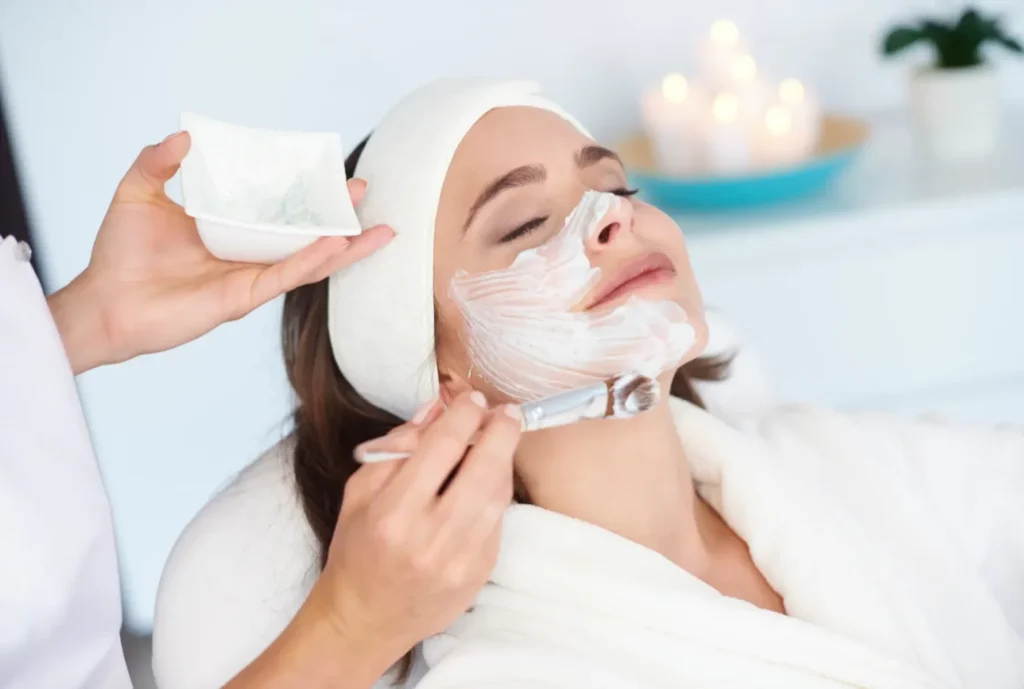
Buying a box kit from the pharmacy might seem cheap, but the risks of uneven application and skin damage are high. When it comes to chemical treatments on your face, professional expertise is worth the investment.
We strongly recommend booking your session at The Salon Company. As a premium brand within the Stylelink network, they offer specialized, safe treatments:
- Skin Diagnosis: Their aestheticians will evaluate your skin. If you have extremely dry skin, they will opt for a hydrating Aloe Vera bleach. If you are preparing for a wedding, they might use a premium Gold or Diamond bleach for extra radiance.
- Pre-Bleach Protection: Professional salons apply a protective pre-bleach cream to shield the skin barrier from the harshness of the activator.
- Timing and Monitoring: A professional knows exactly when to remove the product (usually 10-12 minutes). Leaving it on for 20 minutes won’t make you fairer; it will just cause hyperpigmentation.
Career Spotlight: Become a Skincare & Chemical Expert
Are you a beautician? The ability to confidently execute chemical services—from facial bleaching to advanced peels—separates high-earning professionals from basic salon workers. Clients trust experts with their skin, and that trust translates to high loyalty and excellent tips.
Here is how Stylelink helps you build a lucrative career in skincare:
- Find Premium Jobs: Download the Stylelink App to find vacancies at luxury skin clinics and salons like The Salon Company that prioritize hygiene and premium product usage.
- Showcase Your Certifications: Use Stylelink’s Resume & Portfolio Builder. If you are certified in advanced skin aesthetics or chemical treatments, highlight these badges on your digital CV to attract top-tier employers instantly.
- Manage Client Schedules: If you are a freelancer, use Stylelink’s Salon Software to track when your clients had their last chemical service, ensuring you never over-process their skin by booking them too early.
Post-Bleach Aftercare: The 48-Hour Rule
Once you wash off the bleach for face, your skin’s pores are open and the barrier is slightly compromised. To prevent breakouts and redness, you must follow strict aftercare:
- No Harsh Soaps: Wash your face with plain cold water for the first 12 hours. Avoid all face washes and soaps.
- No Sun Exposure: The skin is highly photosensitive. Do not step into direct sunlight. If you must, apply a thick layer of SPF 50 sunscreen.
- Soothe & Hydrate: Apply a thick layer of Aloe Vera gel or a cooling post-bleach lotion. Avoid thick, heavy creams that can trap heat in the skin.
- No Heat: Avoid hot showers, saunas, or cooking over a hot stove immediately after the treatment.
Conclusion
When utilized correctly, a bleach for face is a powerful ally in your beauty arsenal. It offers a fast, painless route to a glowing, tan-free, and fuzz-free complexion. However, respect for the chemistry is paramount. By choosing the right product, prioritizing safety, and following proper aftercare, you can unlock its full potential without any adverse effects.
Do not gamble with your facial skin. Book a professional, customized treatment at The Salon Company to ensure a safe, radiant glow. And for the estheticians dedicated to performing these services safely, Stylelink is your ultimate partner in professional growth.
Frequently Asked Questions (FAQs)
Q1: Is bleach for face safe to use every week?
Absolutely not. Bleaching your skin too frequently will damage the skin barrier, leading to extreme thinning of the skin, redness, and permanent patchiness. You should wait at least 4 to 6 weeks between sessions.
Q2: Can I get a facial immediately after bleaching?
It is generally not recommended to combine intensive chemical treatments. If you want both, the standard professional protocol at The Salon Company is to bleach first, rinse thoroughly, and follow with a gentle, hydrating (non-exfoliating) facial to soothe the skin.
Q3: Does bleaching make the hair grow back thicker or darker?
No, this is a myth. Bleaching does not remove the hair or alter the follicle; it merely removes the pigment. The hair will eventually shed and grow back in its natural color and thickness.


